Best Video Doorbells in Canada: Tapo D225 vs eufy E340 vs aosu Pro
Compare Tapo D225, eufy E340 and aosu Video Doorbell Pro by video coverage, battery vs hardwire operation, local storage, AI detection, Wi-Fi, weather protection and subscription needs.
13 min read
Products compared
Current picks at a glance
Compare the current Hamejur picks by role, fit, listed product data, and next step.
Best overall for local recording and wired flexibility
Prices and availability can change. Use the Amazon.ca product page for the latest product details before ordering.
Work & Smart Living · Smart Home
The best video doorbells in Canada are not separated only by resolution. The bigger differences are how they power the camera, what they can record before and after motion, where footage is stored, whether smart detection needs a subscription, how much of the doorstep they actually see, and what happens when Canadian winter weather or weak Wi-Fi puts the system under stress. For this comparison, the Tapo D225, eufy Video Doorbell E340 and aosu Video Doorbell Pro represent three distinct approaches to the same front-door job.
Fast Answer
The Tapo D225 is the best overall choice for most technically minded buyers. It combines battery installation with the option to hardwire for continuous 24/7 recording, adds up to four seconds of pre-roll, offers on-device person, pet, vehicle and package detection, and supports local microSD storage up to 512GB. The eufy E340 is the better fit when parcel visibility matters most because its second downward-facing camera watches the floor area that a single lens can miss. The aosu Video Doorbell Pro is the value-oriented choice when you want 2K video, an included local-storage base and no required monthly plan without building a larger smart-home ecosystem first.
Affiliate disclosure: Hamejur may earn a commission from qualifying Amazon.ca purchases made through links in this guide, at no extra cost to you.
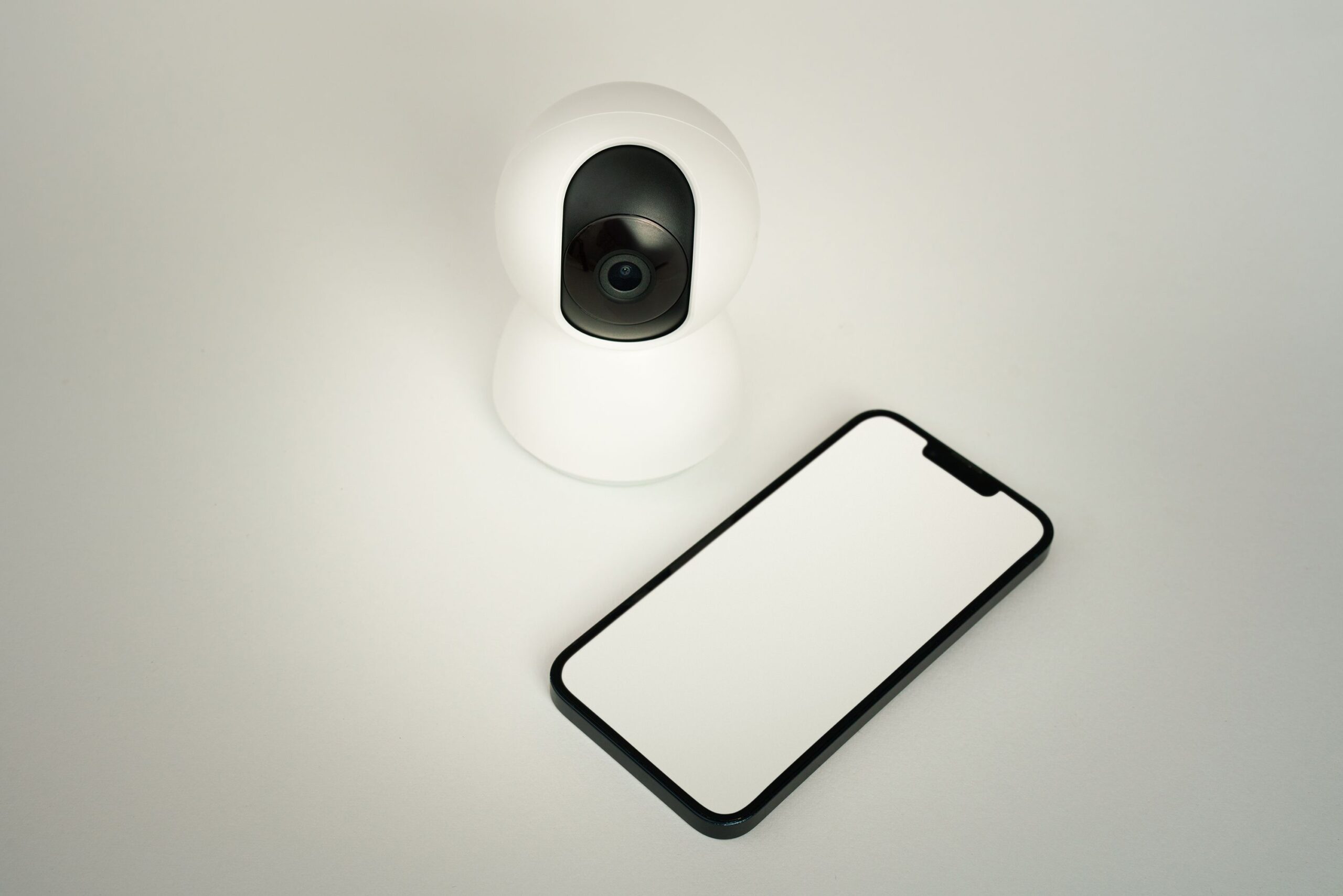
Doorbell cameras are part of a networked security system: app responsiveness, storage and wireless reliability shape the experience. Stock photo: Jakub Zerdzicki / Pexels.
Video Doorbells Compared
Model
Best for
Video / coverage
Power architecture
Local storage
Main trade-off
Tapo D225
Flexible local recording
2K QHD, 4:3, 180° diagonal field of view
10,000mAh battery or hardwired
microSD up to 512GB
Its most powerful recording features depend on hardwiring
eufy E340
Packages and door-to-floor coverage
2K main camera plus downward package camera
Removable battery; wiring keeps the battery topped up
8GB built in; optional HomeBase expansion
2.4GHz Wi-Fi only and the battery remains required in wired mode
aosu Video Doorbell Pro
Simple subscription-free local storage
2K, wide-angle doorstep view
Built-in rechargeable battery
microSD in included aosuBase Mini, up to 128GB
Less flexible power and storage architecture than Tapo
How the Technology Differs
Battery power and hardwiring are not the same operating mode
A battery doorbell can be easier to install, but wiring can change more than how often you recharge it. Tapo explicitly uses hardwired power to unlock 24/7 continuous recording and pre-roll, so the D225 behaves more like a continuously powered security camera when installed that way. eufy takes a different approach: the E340 still operates through its battery even when connected to doorbell wiring, with the wiring maintaining the battery rather than replacing it. The aosu Pro is fundamentally battery-first. That means a buyer who wants continuous recording should treat power architecture as a core feature, not an installation footnote.
One wide camera versus two specialized cameras
Tapo uses one 4:3 camera with a very wide 180° diagonal field of view to capture a head-to-toe scene. eufy solves the package problem differently: one camera faces visitors while a second camera points downward toward the delivery zone. Neither architecture automatically produces better evidence in every doorway. A narrow porch with packages placed directly below the bell can benefit from eufy’s dedicated lower view, while a broader entrance may favour Tapo’s single expansive frame.
Local storage changes both cost and failure modes
All three reduce dependence on a required cloud subscription, but they store footage differently. Tapo can write to a microSD card in the doorbell up to 512GB. eufy includes 8GB of eMMC storage on the E340 and can integrate with compatible HomeBase hardware. aosu moves removable-card storage to the included base mini, supporting up to 128GB. A base-station design can keep the storage physically inside the home if the doorbell is removed, while storage in the doorbell itself avoids another hub. The right architecture depends on whether you prioritize simplicity, capacity, or separation between camera and recordings.
Smart detection is useful only when you understand what is local
Tapo documents on-device detection for people, packages, vehicles and pets without requiring a monthly plan. eufy includes human and package detection and markets its local-storage model around subscription-free operation. aosu also provides human-focused AI detection. These labels are not a promise that every alert will be correct: camera angle, lighting, distance and motion settings still influence detection. The practical buying question is which event types are processed without forcing you into a paid cloud tier.
Wi-Fi support can matter more than headline resolution
A doorbell mounted outside a wall, near brick, metal trim or a dense exterior door can have a harder wireless path than an indoor camera. eufy documents the E340 as 2.4GHz-only, while aosu’s Pro also uses 2.4GHz Wi-Fi through its base architecture. A stable 2.4GHz link often reaches farther than 5GHz, but congestion can be higher. Before buying, test your phone’s Wi-Fi reliability at the actual mounting point rather than assuming a router that works well indoors will automatically provide a stable doorbell connection.
Tapo D225: Best Overall for Local Recording and Wired Flexibility
The Tapo D225 is the strongest all-round technical package because it can be installed without existing wiring and later become a more capable continuously powered recorder. TP-Link specifies a rechargeable 10,000mAh battery and advertises up to eight months between charges under its test assumptions, while also warning that real battery life varies with settings, usage, router conditions and environment.
Its 2K QHD camera uses a 4:3 view with a 180° diagonal field of view. That shape is useful at a front door because vertical coverage matters for faces and packages, not just horizontal yard width. Built-in spotlights support full-colour night vision.
The major technical advantage appears when the D225 is hardwired: TP-Link enables 24/7 continuous recording plus up to four seconds of pre-roll before a motion event. That can matter when a battery camera wakes after motion has already begun. Local recording supports microSD cards up to 512GB, while Tapo Care remains an optional cloud path rather than the only way to retain footage.
On-device AI can classify people, pets, vehicles and packages without a subscription. The housing is rated IP66, and the doorbell supports Alexa and Google Assistant integrations. One installation caveat is important: TP-Link notes that the hardwired continuous-recording mode does not use an existing mechanical chime in the same way as the battery configuration, so chime expectations should be checked before installation.
Choose it when: you want the option to start wire-free but care about local storage, pre-roll and eventual 24/7 recording.
eufy Video Doorbell E340: Best for Package-Focused Dual-Camera Coverage
The E340’s defining feature is not simply that it records in 2K; it uses two cameras for two different parts of the doorway. The main camera watches people, while the downward-facing camera covers the floor and delivery zone. For households receiving frequent parcels, that architecture can show both the visitor and the package area without asking one ultra-wide lens to do everything.
eufy combines the dual-camera system with colour night vision and a dual-light design. The doorbell is IP65-rated for outdoor exposure. Its removable battery fully charges in about five hours according to eufy’s documentation, and a spare battery can reduce downtime.
Wiring behaves differently from the Tapo. The E340 still requires its battery to remain installed even in wired mode; the incoming 8–24V doorbell supply maintains that battery. This is not the same architecture as a conventional always-on wired camera, so buyers should not infer Tapo-style 24/7 recording simply because wires are attached.
The standalone E340 contains 8GB of local eMMC storage and can work with compatible eufy HomeBase units for a larger ecosystem. It supports existing chimes as well as compatible HomeBase and voice-assistant chime options. Connectivity is 2.4GHz Wi-Fi only. Alexa and Google Assistant are supported, but eufy explicitly says HomeKit is not.
Choose it when: package visibility and a removable-battery design matter more than continuous-recording architecture.
aosu Video Doorbell Pro: Best Value for Subscription-Free Local Storage
The aosu Video Doorbell Pro takes a hub-assisted approach. The 2K battery doorbell connects through an included aosuBase Mini, and local recordings can be stored on a microSD card in that base rather than relying on mandatory cloud storage. aosu specifies support for cards up to 128GB.
aosu advertises a 166° ultra-wide viewing angle and up to 180 days of battery life per charge, with actual endurance naturally depending on motion frequency, live viewing and settings. Smart human detection is designed to reduce alerts from non-human motion, and snapshot notifications can make it faster to identify an event from the phone.
The doorbell is rated IP65 and the official specifications list operation from -10°C to 55°C. That lower temperature figure deserves attention in Canada: some regions regularly get colder than -10°C, so buyers in very cold climates should not assume the published operating range covers every winter day. The Pro uses 2.4GHz 802.11 b/g/n Wi-Fi and works with Alexa and Google Assistant.
The main trade-off is architecture. You get a straightforward local-storage path and included base, but not Tapo’s hardwired 24/7 mode or eufy’s second downward-facing package camera.
Choose it when: you want a battery-first 2K doorbell with local storage on an indoor base and a lower-complexity ownership model.
Which Video Doorbell Fits Your Home?
You have usable doorbell wiring and want the most complete local recording: Tapo D225 is the strongest fit because hardwiring unlocks 24/7 recording and pre-roll.
Packages are your main concern: eufy E340’s dedicated downward camera gives the delivery zone its own view.
You want storage physically separated from the outdoor doorbell: aosu’s included base mini keeps the microSD card inside.
You want the largest documented local removable-card capacity: Tapo supports up to 512GB, versus up to 128GB in the aosu base; eufy uses 8GB internal storage unless you expand into HomeBase.
You use Apple HomeKit: none of these three should be purchased on the assumption of native HomeKit support; eufy specifically documents that E340 does not support it.
Installation and Compatibility Checks Before You Buy
Check transformer voltage and chime behaviour
If you plan to hardwire, identify your existing transformer and chime before ordering. A physical wire pair does not guarantee that every smart doorbell will power correctly or ring the existing chime in every mode. eufy specifies 8–24V AC and more than 10VA for wired operation. Tapo’s hardwired continuous-recording mode changes chime behaviour, so plan around the included/compatible chime path rather than assuming the old mechanical chime will work unchanged.
Test Wi-Fi at the mounting point
Stand outside with the front door closed and test the actual network where the doorbell will sit. Exterior construction, metal frames and distance from the router can weaken the signal. A mesh node placed deeper inside the house may not help as much as a properly positioned access point near the entryway.
Decide where you want recordings to live
Local storage avoids making basic event history entirely dependent on a monthly cloud plan, but local designs differ. A card inside the outdoor unit is simple; a card or storage device inside a base station is harder to remove with the camera; internal flash requires no card but has fixed capacity. Think about theft, storage capacity and how you will retrieve footage during an outage.
Weather rating is not the same as unlimited temperature tolerance
An IP rating describes resistance to dust and water ingress, not every environmental limit. Operating-temperature specifications are separate. This distinction matters in Canada, particularly for battery chemistry and electronics during prolonged cold periods.
Do these video doorbells require a monthly subscription?
No monthly plan is required for the core local-storage paths described here. Tapo supports microSD recording and on-device smart detection; eufy includes local device storage; aosu uses local storage through its base mini. Optional cloud services can add features or off-site storage depending on the ecosystem.
Which one can record continuously 24/7?
Tapo explicitly supports 24/7 continuous recording when the D225 is hardwired. Do not assume battery operation provides the same recording model. The eufy E340’s wired connection maintains its battery, and the aosu Pro is designed around event-based battery operation.
Which is best for seeing packages?
eufy E340 has the most specialized hardware for this job because its second camera looks down at the floor and package zone. Tapo instead uses a very wide 4:3 single-camera view, while aosu uses a wide-angle single-camera design.
Can I use these in a Canadian winter?
Check each manufacturer’s operating-temperature specification against your local climate rather than relying only on the IP rating. Water resistance and cold-temperature operation are separate specifications, and battery performance can also fall in cold conditions.
Is 2K enough for a video doorbell?
Resolution is only one part of usable evidence. Field of view, camera placement, night lighting, compression, motion timing and network stability all affect what you actually capture. A lower-latency 2K clip that begins before a visitor leaves the frame can be more useful than a higher-resolution clip that starts late.
Should I choose local storage or cloud storage?
Local storage can reduce recurring fees and keep routine clips at home, while cloud storage can preserve footage if the local hardware is stolen or damaged. A hybrid approach can be useful for higher-risk locations. Review each ecosystem’s current privacy and subscription terms before enabling cloud features.
What I Would Choose
I would choose the Tapo D225 for most Canadian homes where reliable doorbell wiring is available or may be added later. Its ability to work on battery and then unlock continuous local recording and pre-roll when hardwired gives it the broadest upgrade path. I would choose the eufy E340 instead for a porch where parcels are frequently placed directly below the camera, and the aosu Pro when I wanted an included indoor local-storage base without paying primarily for advanced wired recording features.
Sources and Method
Technical claims were checked against official documentation from TP-Link/Tapo, eufy Canada, and aosu. Manufacturer battery-life, field-of-view, detection and weather-resistance figures are treated as manufacturer specifications rather than independent Hamejur test results. Amazon.ca identity, current price, availability and product imagery are verified through Hamejur’s Amazon Creators API workflow before scheduling. Hamejur has not claimed hands-on testing of these doorbells.
Keep comparing
Related guides for your next decision
Continue with closely related Smart Home comparisons selected by category, shared product topics, and reader intent.