Home laminators in Canada are useful when you regularly protect recipe cards, household labels, reference sheets, children’s artwork, checklists, or small paper projects. The Amazon Basics 9-inch model and the Bonsaii L418-C cover the same basic job, but the better fit depends on how quickly you want to start, how many supplies you need in the box, and how much desk or shelf space you can spare.
Both are compact two-roller machines built for common 3 mil and 5 mil pouches. The differences are less dramatic than they would be against a commercial laminator, which is exactly why the details matter: warm-up, feed rate, bundle contents, controls, and storage shape can change which one feels easier in a real home routine.
Quick answer: which home laminator fits which user?
Amazon Basics 9-Inch Thermal Laminator
Choose it when you want a straightforward two-setting laminator and do not mind buying most pouches separately. Its controls are minimal, its body is shallow, and the included starter pack is enough to confirm the workflow before ordering more supplies.
Watch for: the listed warm-up time is about four minutes, so it is better for planned batches than an unplanned one-page job.
Bonsaii L418-C 9-Inch Thermal Laminator
Choose it when you expect to start with several household or craft projects. The selected bundle includes 50 sheets, while the listed feed rate and three-minute preheat give it a clearer advantage for a small batch.
Watch for: the machine remains a personal two-roller model. A larger pouch bundle does not turn it into a high-volume office unit.
Products compared
9-inch model PL9-US
- Up to 9-inch document width
- 3 mil and 5 mil hot-pouch settings
- Two heated rollers
- Listed four-minute warm-up
- Jam-release lever
- Two letter-size 3 mil starter pouches
Check current details on Amazon.ca
L418-C grey bundle
- Listed 9.45-inch feed opening
- 3 mil and 5 mil pouch support
- Two rollers
- Listed three-minute preheat
- ABS pouch-release control
- Selected bundle includes 50 sheets
Check current details on Amazon.ca
Compact comparison table
| Decision factor | Amazon Basics | Bonsaii L418-C |
|---|---|---|
| Working width | Up to 9 inches | 9.45-inch listed opening |
| Pouch thickness | 3 mil and 5 mil | 3 mil and 5 mil |
| Warm-up | Listed four minutes | Listed three minutes |
| Feed speed | Not listed in the selected product information | At least 270 mm per minute |
| Jam handling | Jam-release lever | ABS pouch-release button |
| Starter supplies | Two letter-size 3 mil pouches | 50 sheets in the selected bundle |
| Listed body size | About 13.4 × 5.1 × 2.4 inches | About 13.07 × 4.41 × 2.44 inches |
| Best fit | Occasional, simple household jobs | Starting with a larger first batch |
Dimensions and bundle contents are tied to the selected listing variations. Check the Amazon.ca variation name before ordering because marketplace pages may group different colours or bundles.
Where these two compact laminators differ
Warm-up matters most for one-off jobs
A difference of a minute or two sounds small until the machine lives in a cupboard. If you pull it out for one recipe card or one reference sheet, waiting becomes a larger share of the task. The Bonsaii’s listed three-minute preheat is the clearer choice when short sessions are common. The Amazon Basics model remains reasonable when you prepare several pouches while it warms.
The bundle changes the real starting experience
Two starter pouches let you confirm that the Amazon Basics machine works for your materials, but they do not support a full organizing project. The selected Bonsaii bundle includes 50 sheets, so labels, checklists, flash cards, or household reference pages can be handled without a separate pouch order. The trade-off is simple: only count that advantage if you will use the included size and thickness.
Feed width is almost a tie
Both machines are aimed at letter-size work. The Bonsaii opening is listed at 9.45 inches, while Amazon Basics describes a 9-inch maximum document width. This is not enough to treat either one as a wide-format model. Legal-length pages may pass lengthwise, but anything wider than the opening needs a different machine.
Jam release is a recovery tool, not a substitute for alignment
Both provide a way to release a pouch. That helps when a sheet enters crooked, but the better habit is still to insert the sealed edge first, keep the pouch centred, and leave enough clear border around the item. Small cut pieces can shift inside a pouch, so arrange them on a level surface before feeding.

Individual product breakdowns
Amazon Basics 9-Inch Thermal Laminator
This model is built around a familiar personal-laminator layout: two heat settings, a ready indicator, two rollers, and a release lever. It accepts common 3 mil and 5 mil pouches, which covers the usual choice between a more flexible finish and a stiffer protected sheet.
The shallow body is useful when storage is tight. A laminator still needs clear space at both the front and rear while operating, however, because the pouch must enter straight and exit without hitting a wall, stack of papers, or monitor stand. Its small stored footprint does not mean it should run inside a crowded shelf.
- Good match: occasional household documents, labels, photos, reference cards, and simple craft work.
- Main strength: uncomplicated controls with standard pouch compatibility.
- Main limitation: only two starter pouches and no published feed-rate figure in the selected product information.
- Setup note: use the setting that matches the pouch thickness, then wait for the ready indicator before feeding.
- Storage note: let the unit cool fully and keep the cord from pressing against the feed opening.
Check current details on Amazon.ca
Bonsaii L418-C 9-Inch Thermal Laminator
The L418-C stays in the same personal-laminator class but publishes more operational detail. Its manual lists a 240 mm opening, two rollers, 3 mil to 5 mil pouch support, a three-minute preheat, and a feed rate of 270 mm per minute or more. Those figures make it easier to estimate how it will fit a small batch.
The selected grey bundle’s practical advantage is the included sheet supply. That can remove the first consumable decision, especially for a household organizing project. Still, confirm the pouch dimensions in the live variation; a large count is useful only when the sheets match the documents you plan to protect.
- Good match: users starting with multiple labels, cards, checklists, learning materials, or craft pages.
- Main strength: a more complete starter bundle and a stated feed speed.
- Main limitation: it remains a compact two-roller machine rather than a continuous-use office model.
- Setup note: the ABS control releases the rollers when a pouch needs to be removed or realigned.
- Maintenance note: keep adhesive residue and loose paper away from the inlet; follow the manual rather than inserting cleaning materials that are not approved.
Check current details on Amazon.ca
Decision guide
Choose Amazon Basics
It makes sense when the machine will spend most of its life stored and come out for occasional household jobs. The simple control layout reduces decisions, and buying pouches separately lets you choose the exact size and thickness later.
Choose something else when short warm-up time or a ready-to-use supply bundle matters more than minimalism.
Choose Bonsaii L418-C
It is the more practical first purchase when you already have a stack of labels, cards, activity sheets, or reference pages to protect. The stated feed rate and larger pouch bundle make the first session easier to plan.
Choose something else when you need a wider opening, cold-lamination controls, or a duty cycle intended for repeated office batches.
Buying advice for a compact home laminator
Check width before any other feature
A 9-inch machine is designed around common letter-size documents, photos, cards, and smaller pieces. Measure the widest item, not just its paper category. The sealed pouch itself must fit through the inlet with enough room to enter straight.
Choose pouch thickness for the result you need
Three-mil pouches stay more flexible and are suitable for many household pages. Five-mil pouches create a stiffer result but require the correct heat setting. Do not assume thicker is automatically better; rigid sheets can be harder to store, cut, or place in a binder.
Plan the workspace, not only the stored footprint
The machine needs a flat, stable surface with clear entry and exit paths. A pouch that hits an object while leaving the rollers can bend or curl. Keep loose scraps away from the opening, and do not pull a pouch while the rollers are moving unless the manual tells you to use the release control.
Think about consumables as part of the purchase
Pouch size, thickness, count, and replacement availability affect the long-term routine more than a decorative accessory. A bundle can be convenient, but it should not lock you into sheets that are too large or too stiff for most of your work.
Confirm the live variation
Amazon.ca pages can group colours, sheet bundles, and model revisions. Before ordering, confirm the ASIN, model label, colour, included pouch count, voltage statement, and warranty information shown for the selected variation.
FAQ
Can either laminator handle legal-size paper?
Length is less restrictive than width because the page travels through the machine. A legal-length page may work when the pouch and document remain within the listed feed width. Confirm the pouch dimensions and keep the full exit path clear.
Do I need a carrier sheet?
The selected product information describes direct pouch feeding rather than a separate carrier. Follow the exact manual for the selected variation, insert the sealed edge first, and do not add an improvised cover that changes heat transfer.
Can I laminate several small cards in one pouch?
It may be possible when every piece stays flat and leaves a clear sealed border, but small pieces can shift during feeding. Arrange them carefully, avoid overcrowding, and follow the manufacturer’s spacing guidance. Cut only after the pouch has cooled.
Is the Bonsaii automatically better because it includes more pouches?
No. The bundle is useful only when the included sheets match your projects. Amazon Basics may be the cleaner choice when you want to select a different pouch size or buy consumables from an existing supply.
Are these suitable for a school office or business counter?
They belong to the compact personal class. Occasional school, home-office, or small-business pages fit that role, but long repeated batches may call for a machine with a published duty cycle, faster recovery, wider feed, or a higher-volume design.
What I would choose
I would choose the Bonsaii L418-C bundle for a household that already has a real project waiting. Its stated three-minute preheat, published feed rate, and 50-sheet bundle remove more friction from the first session.
I would choose the Amazon Basics 9-inch model for lighter, occasional use when I prefer to buy only the pouch sizes I actually need. Neither is the right choice for wide-format sheets or continuous office batches.
Sources and method
This comparison uses the exact selected listing identities and published product information available on the research date. It focuses on dimensions, pouch support, controls, warm-up, feed details, bundle contents, and practical household fit. It does not imply hands-on use or long-term durability findings.
- Amazon.ca product page: Amazon Basics B00BUI5QWS
- Amazon.ca product page: Bonsaii B0D9QG3GXN
- Bonsaii L418-C manufacturer page
- Hero photo by Volodymyr Proskurovskyi on Unsplash
- Supporting photo by Joanna Kosinska on Unsplash
- How We Compare
- Editorial Policy
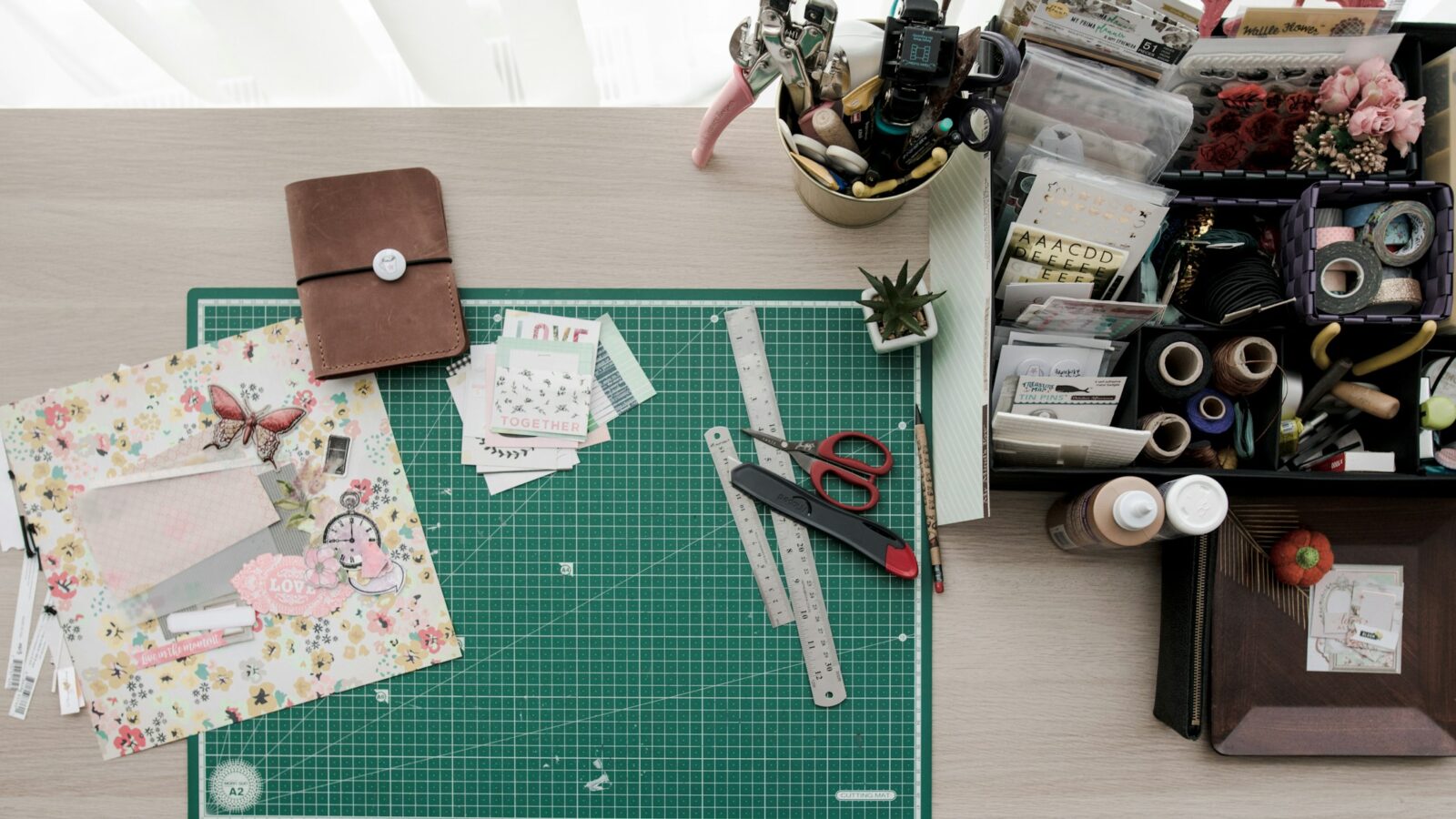
The images provide household paper-project context and are not official photographs of either compared product. Browse the Home Office guides or the full guide library for other practical comparisons.